Protecting Harvests. Restoring Farms. Empowering Africa.
Guarded Harvest is a nonprofit agricultural initiative helping smallholder farmers in Kenya overcome food loss, pest damage, poor storage, and soil depletion through regenerative solutions, local agripreneurship, and science-backed intervention.
ABOUT GUARDED HARVEST
A Field Driven Mission Built for Long Term Food Security
Founded in 2025 as a registered 501(c)(3) nonprofit organization, Guarded Harvest was created to address the complete agricultural cycle—from land preparation and planting to harvest protection, safe storage, and regenerative farm development.
By combining education, equipment deployment, scientific field research, and local agripreneur training, we build practical, self-sustaining agricultural systems that strengthen vulnerable farming communities across Kenya.
Nonprofit Initiative
A registered humanitarian agricultural project focused on measurable food security outcomes.
Rooted in Nakuru
Beginning in Kenya's Great Rift Valley, we develop practical solutions for stronger farming communities.
Research + Action
Scientific assessments paired with real-world farming interventions for practical results.
Built to Scale
Designed as a repeatable agricultural model for future expansion across Africa.
THE AGRICULTURAL CRISIS
Millions of Farmers Grow the Food - Yet Lose the Harvest
Across Kenya’s Great Rift Valley, smallholder farmers continue to face severe agricultural setbacks caused by unsafe grain storage, destructive pest pressure, declining soil fertility, and limited access to affordable farming resources.
Guarded Harvest is working to close this gap through practical, scalable interventions that protect harvests, strengthen livelihoods, and build long-term food resilience.
The Guarded Harvest Project in Kenya:
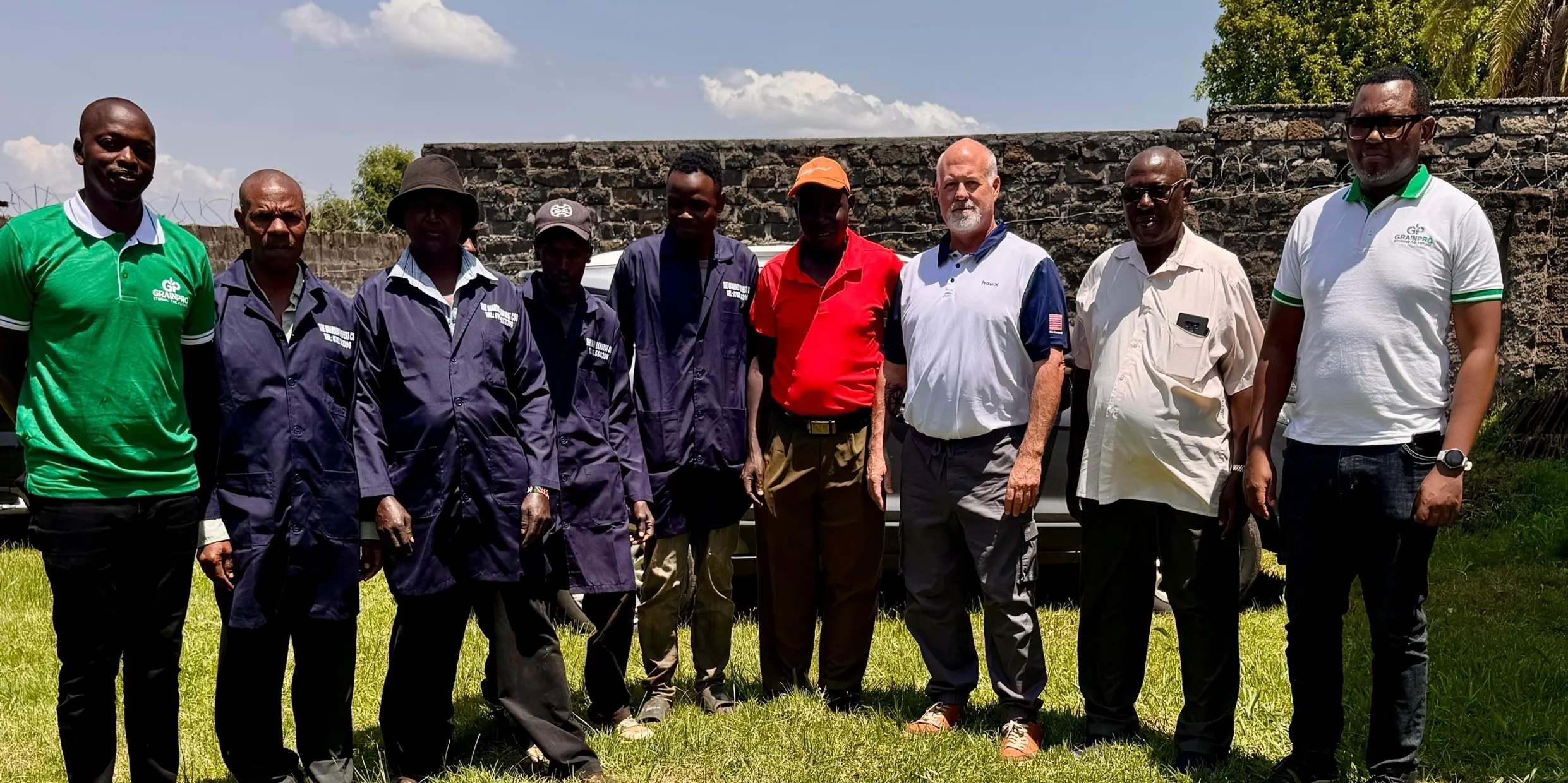
The Nakuru Team
Join Us!
Are you a farmer, an agricultural expert, or a pest management professional? Or maybe you just want to be part of something meaningful? Join the Guarded Harvest project today. Lend us your voice, your experience, and your commitment. Contact us to learn how you can participate and make a difference.
Meet the Local Team!
David Njuguna: Chairperson
Grace Mwai: Vice Chairperson
Francis Ndeithi: Executive Secretary
Peter Njoroge: Vice Executive Secretary
John K. Mwangi: Treasurer
Geoffrey Mwangi: Committee member
Simon Ndung'u: Committee member
(Biographies Coming Soon)
PROJECT PROGRESS
The Guarded Harvest Project Is Underway!
01
Understanding The Challenges
A rapid field mission across Kenya and Zimbabwe was conducted to identify the most urgent agricultural threats impacting farmers, grain storage, and food security. This first implementation step established the technical foundation for all future solutions.
Supported by Hawx Pest Control and Syngenta Crop Protection.
02
Nakuru Regional Evaluation
An in-depth on-site assessment was completed in Nakuru within Kenya’s Great Rift Valley Region from March 12–20, 2025. The evaluation focused on maize drying, storage conditions, pest pressures, moisture loss, and local farming vulnerabilities.
Please scroll below to view the full field overview.
03
Harvest Protection Deployment
The current implementation phase focuses on protecting maize during and after harvest through improved drying systems, pest prevention methods, storage reinforcement, and practical farmer education to reduce loss and preserve crop value.
Deployment planning is actively underway.
04
Pre-Planting Growth Solutions
The next phase will address agricultural challenges before and during cultivation, including field preparation, seed protection, pest control, and crop-stage monitoring. This rollout is scheduled for early to mid-2026 as the project expands.
Additional operational partners will be announced soon.
Supported By Leading Agricultural & Pest Management Partners : Hawx Pest Control, Syngenta Crop Protection, Control Solutions Incorporated, Nisus Corporation, JT Eaton, Rockwell Labs, Trécé, Envu, Pelsis, and The Baldwin Group.
A Single Protected Harvest Can Change Generations.
WHY NAKURU, KENYA
From Humanity’s Cradle to a Future of Food Security
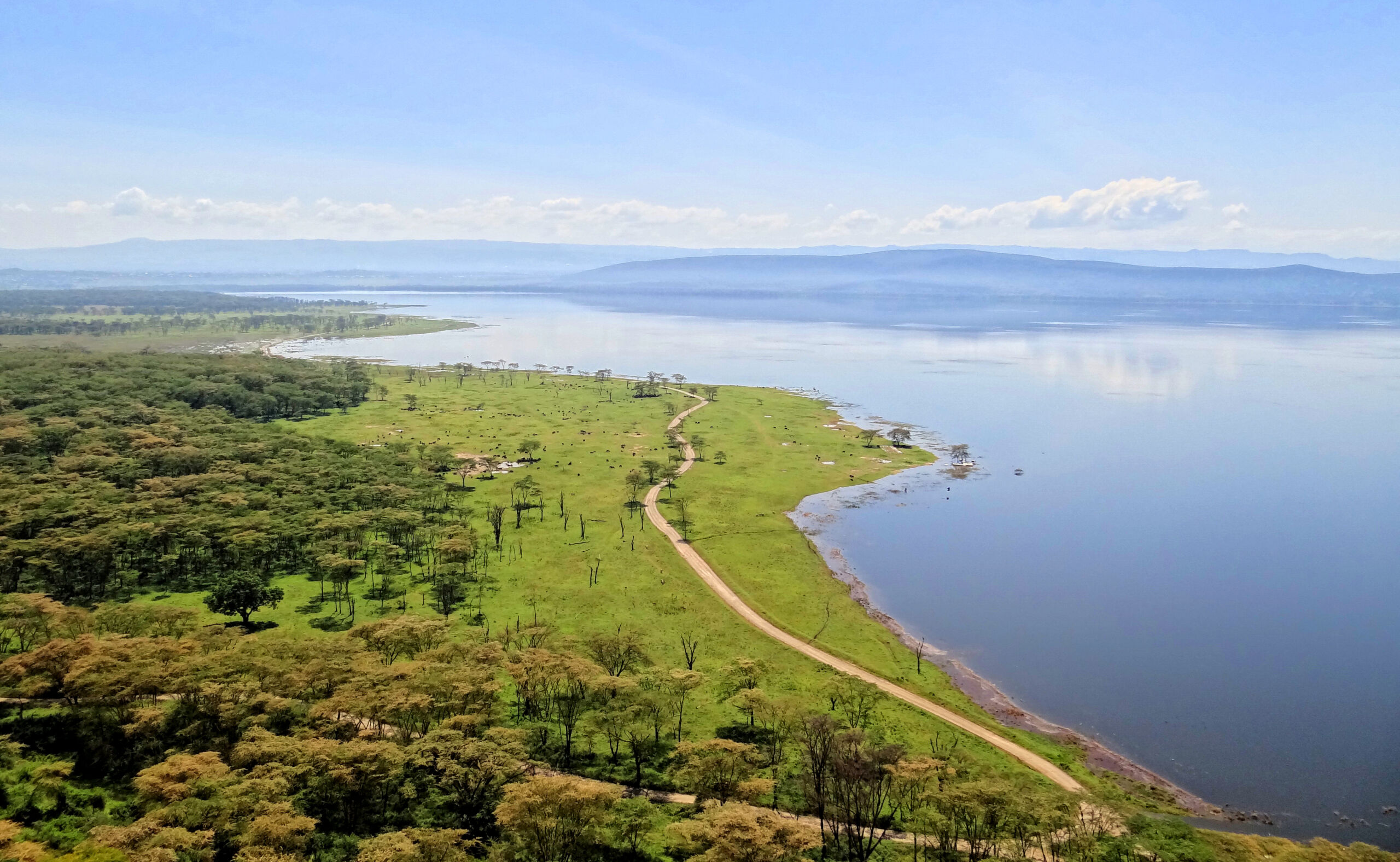
Nakuru lies within Kenya’s Great Rift Valley, one of the most historically and geographically significant regions in the world. Often recognized as part of humanity’s cradle, this extraordinary landscape tells the story of early hominins such as Australopithecus afarensis and Homo habilis, connecting us to the origins of our species. Formed by ancient tectonic forces, the valley became a foundation for biodiversity, culture, and human evolution—an enduring archive of Earth’s history.
Today, this same land stands at the center of a new mission. Guarded Harvest has chosen Nakuru as the starting point for meaningful agricultural transformation, where the fight against food insecurity meets practical, sustainable action. By honoring this region’s historic legacy, the initiative plants new seeds of resilience, helping communities build stronger, more secure futures.
In this birthplace of humanity, the challenge of food security becomes a challenge of global importance. Guarded Harvest empowers smallholder farmers through agronomic education in both English and Swahili, practical harvest protection strategies, and scalable preservation systems that promote self-sufficiency, resilience, and long-term progress.
The Great Rift Valley serves as both a symbol and a promise—that from our shared beginnings, transformative change can grow. Here in Nakuru, a single intervention can create lasting ripple effects, strengthening communities, reducing food loss, and building a model of hope that can expand far beyond Kenya.
Guarded Harvest: Phase 1 - Step 4
Presenting at the Global Pest Management Conference in Lago, Nigeria, then traveling to Nakuru for follow up assessments of the pre-planting efforts.
Protecting harvests. Empowering farmers. Building food security.
Creative Vision
Food Insecurity in the Great Rift Valley
Food insecurity refers to the lack of sufficient access to adequate and nutritious food needed to meet basic human needs.
The Great Rift Valley has long struggled with food insecurity, a persistent issue rooted in historical, socio-economic, and environmental factors. Over time, agricultural crises and broader structural challenges have intensified the region’s vulnerability.
Our commitment to creativity, collaboration, and excellence ensures every project reflects our dedication to quality and client satisfaction.
Key Challenges
Crop Production Challenges
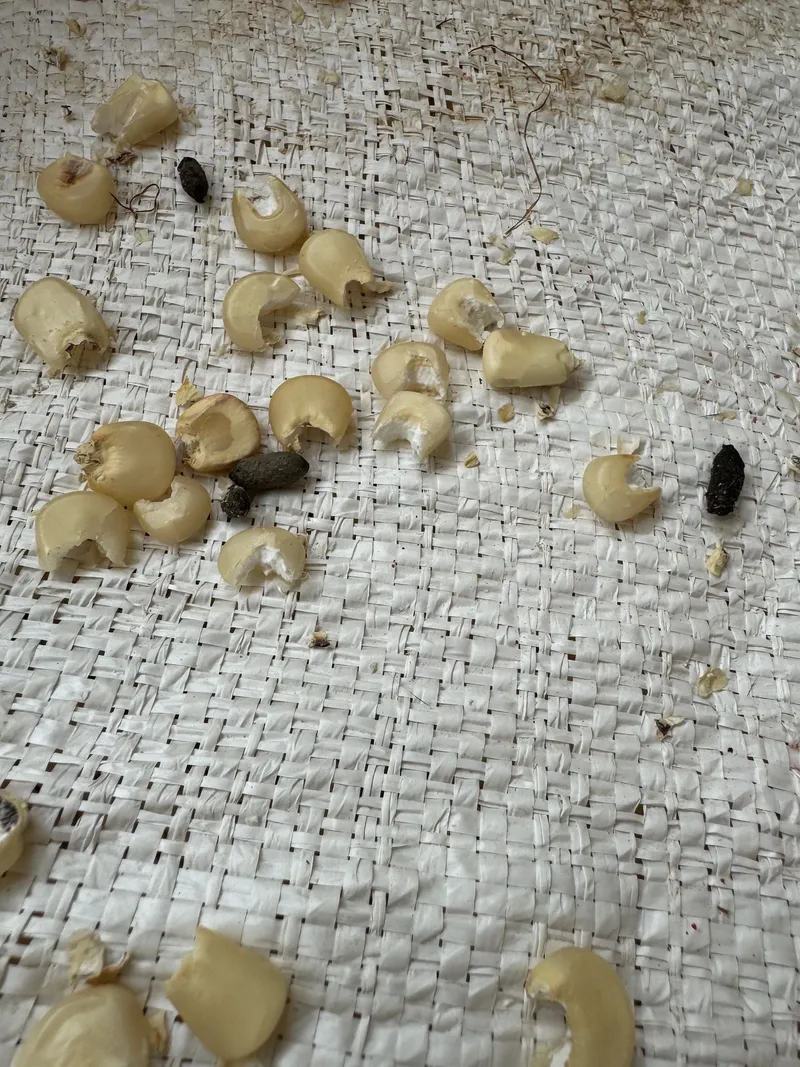
Erratic rainfall and prolonged droughts have repeatedly reduced crop production, especially staple grains such as maize. Pest infestations like fall armyworm and diseases such as maize lethal necrosis continue to damage yields. Poor storage infrastructure also causes major post-harvest losses, including aflatoxin contamination. Urbanization and industrial expansion have reduced arable land, forcing farmers to increase productivity on smaller plots with limited resources, making them highly vulnerable to external shocks.
Livestock-Related Crises
Livestock losses have significantly contributed to food insecurity. The rinderpest epizootic (1887–1889) devastated cattle populations, disrupting rural economies and mixed farming systems. Since livestock were essential for plowing and manure-based fertilization, their loss directly weakened food production. Diseases such as East Coast fever and other tick-borne illnesses continue to threaten livestock health, reducing agricultural resilience.
Economic and Structural Dependence
During the 20th and 21st centuries, dependence on international grain imports increased the region’s vulnerability. Structural poverty, debt, and global economic disruptions have made food access unstable. Price fluctuations and supply chain disruptions leave millions at risk, while smallholder farmers often cannot invest in improved farming tools or methods.
Climate Change and Political Instability
Climate change has become a major driver of food insecurity, with unpredictable rainfall, prolonged droughts, and extreme weather events disrupting agriculture. Political instability and conflict worsen the crisis by displacing communities and destroying livelihoods.
Solutions and Recommendations
For crops: Introduce drought-resistant crop varieties, improve storage systems, and adopt integrated pest management. For livestock: Strengthen disease control programs and improve grazing management to rebuild herd resilience. For the wider system: Reduce dependency on food imports through locally adapted farming practices and equitable financial support for smallholder farmers.
RESPONSIBLE AGRICULTURE
Sustainable & Regenerative Agriculture for Smallholder Farmers
The Nakuru field visit provided valuable insights into the real-world challenges smallholder farmers face during preparation, planting, and crop management. These findings are guiding the next project stages, focused on testing scalable solutions for harvest, post-harvest storage, and long-term agricultural resilience across Kenya and beyond.
Primary Pest Challenges
Key agricultural pests continue to reduce crop productivity both in the field and during storage.
- Fall Armyworm
- Maize Aphid
- Maize Stalk Borer
- Maize Weevil
- Grain Moth & Rodents
Preparation & Planting Barriers
Financial limitations prevent farmers from preparing fields effectively, leading to poor planting outcomes and reduced yields.
- No soil testing
- Inadequate tilling
- Poor weed control
- Delayed fertilization
- Late planting cycles
Economic Sustainability
Long-term impact depends on financially viable solutions that empower farmers while ensuring project scalability and self-sustainability.
- Funding access gaps
- Resource limitations
- Scalable implementation
- Self-sustaining model
Supported by Global Partners